Norvana - advancing the future of
health assistance with AI
Norvana is a revolutionary global AI healthcare SuperApp designed to empower users with advanced technology. It offers continuous health monitoring, predictive analytics, and tailored healthcare solutions for truly personalised care.

Project Challenge
The client came to us with a bold ambition: to build their most ambitious health tracker yet, bringing everyday health tracking, AI guidance, and GLP-1 support into one experience.
Our challenge was to give that ambition a clear identity. We explored how the product could make complex health information feel personal, connected, and easy to understand.
We explored different directions.
One idea brought them together.
Many dimensions of health.
One clear picture.
PRISM
Aura
Each aura was built using three colors, with a basic white color added when a white center was needed. Variability was achieved by adjusting the distance between the colors or swapping their positions without altering them. This approach allowed for dynamic variations and rich saturation without changing the aura’s core color.
Prism effect
A prism effect is also used as an additional design element. It is typically applied in two ways:
On photos to emphasize the identity.
Within layouts as an element, adding energy and vibrancy.


Regular

With Prism

User testings and rapid
prototyping using AI
A new workflow framework was used in this project, allowing ideation, testing, and prototyping within just five working days. As a result, new ideas were discussed at the start of each week.
To make the loop extremely fast, AI was used to generate real-time prototypes. This completely transformed the process, replacing static Figma rectangles with an interactive, living experience.

5 days


The new world of AI no-code solutions introduced many new insights. Throughout this framework, various apps were tested, including Cursor, Lovable, Replit, Vercel V0, and others, pushing the boundaries of rapid prototyping and development.
This provided a deeper understanding of coding and app development, as it required thinking beyond design-considering databases, login functionalities, and other critical aspects of building living products from scratch.


User testing results
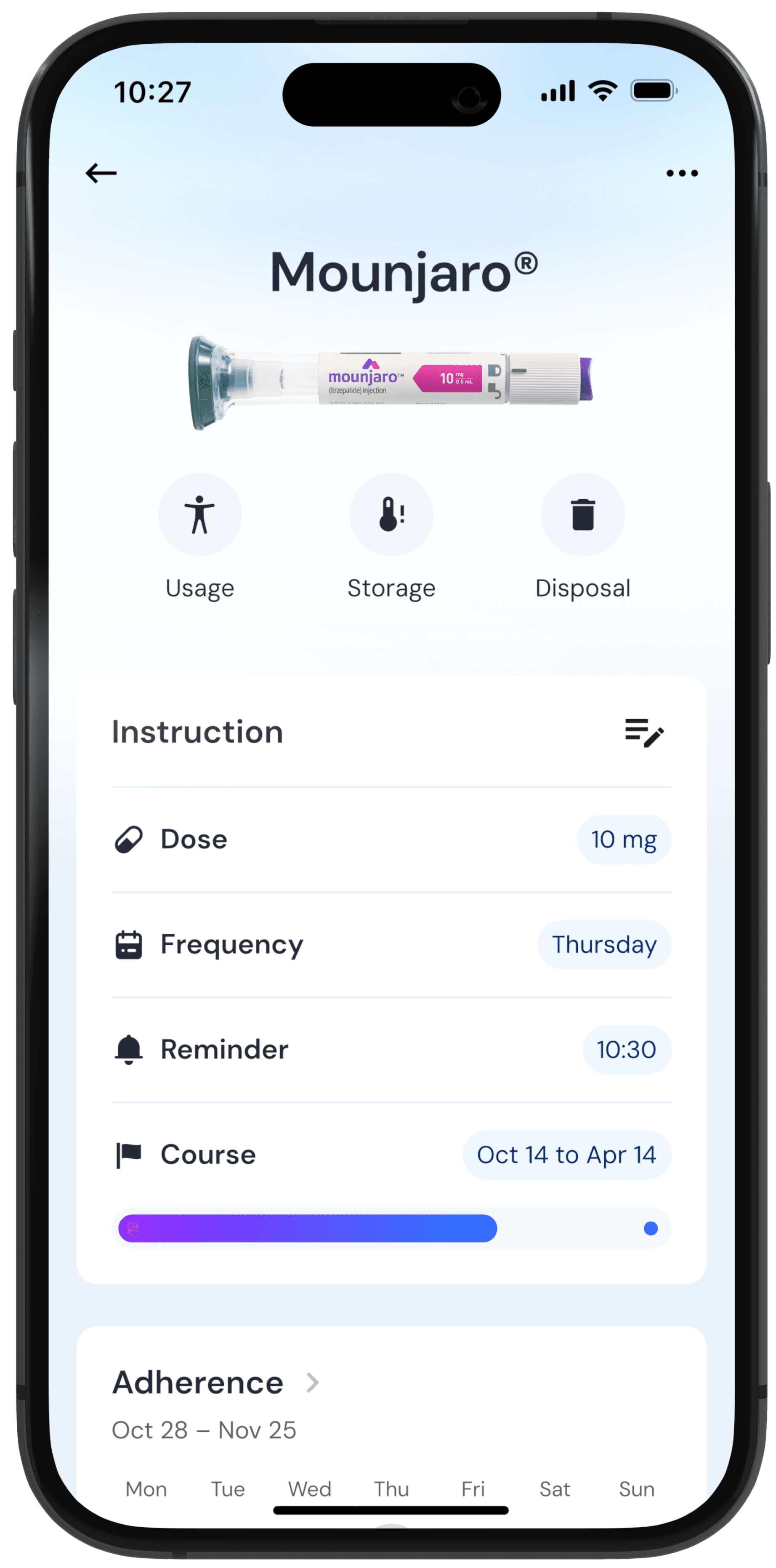
Several crucial insights were gained, but the most important lesson was clear- not every cool feature that can be created is actually wanted by users. While innovation is exciting, the risk of overloading a product with seemingly valuable functionalities that don’t align with actual user needs was recognized.
What truly matters is designing with intention-focusing on what enhances the user experience rather than what simply adds complexity. Testing reinforced the importance of prioritization, ensuring that every feature serves a clear purpose.
A

B
C

AI prompt training
Prompt training was crucial in refining how Norvana interacts with users. Different prompt structures were iterated on, variations were tested, and responses were analyzed to fine-tune the system, resulting in more context-aware and engaging outputs.
Training the prompts not only improved response quality but also helped shape a more intuitive and human-like AI experience within the product.

Marketing support
Support was given to the marketing team by creating materials for investors and public conferences, helping maintain positive momentum for the startup. Clear and compelling assets were developed to showcase the app’s vision and progress.
Flyers and social media posts were prepared for Instagram, LinkedIn, and Facebook to boost visibility. These materials aligned with the brand identity, ensuring Norvana was effectively presented to investors and a wider audience.
Takeways
AI played a crucial role in optimizing workflows, from refining prompt training for more engaging interactions to leveraging no-code solutions for deeper development insights. Real-time AI-generated prototypes accelerated the design loop, shifting the mindset from static mockups to interactive experiences, ultimately revolutionizing the process.
AI will continue to transform product design and team collaborative, making experiences more adaptive and intelligent. Future design systems will automate usability testing, real-time iteration, and predictive UX enhancements, allowing designers to focus on strategy rather than manual adjustments.

*GLP - is medication that helps to regulate insulin level and is used for a weight loss.

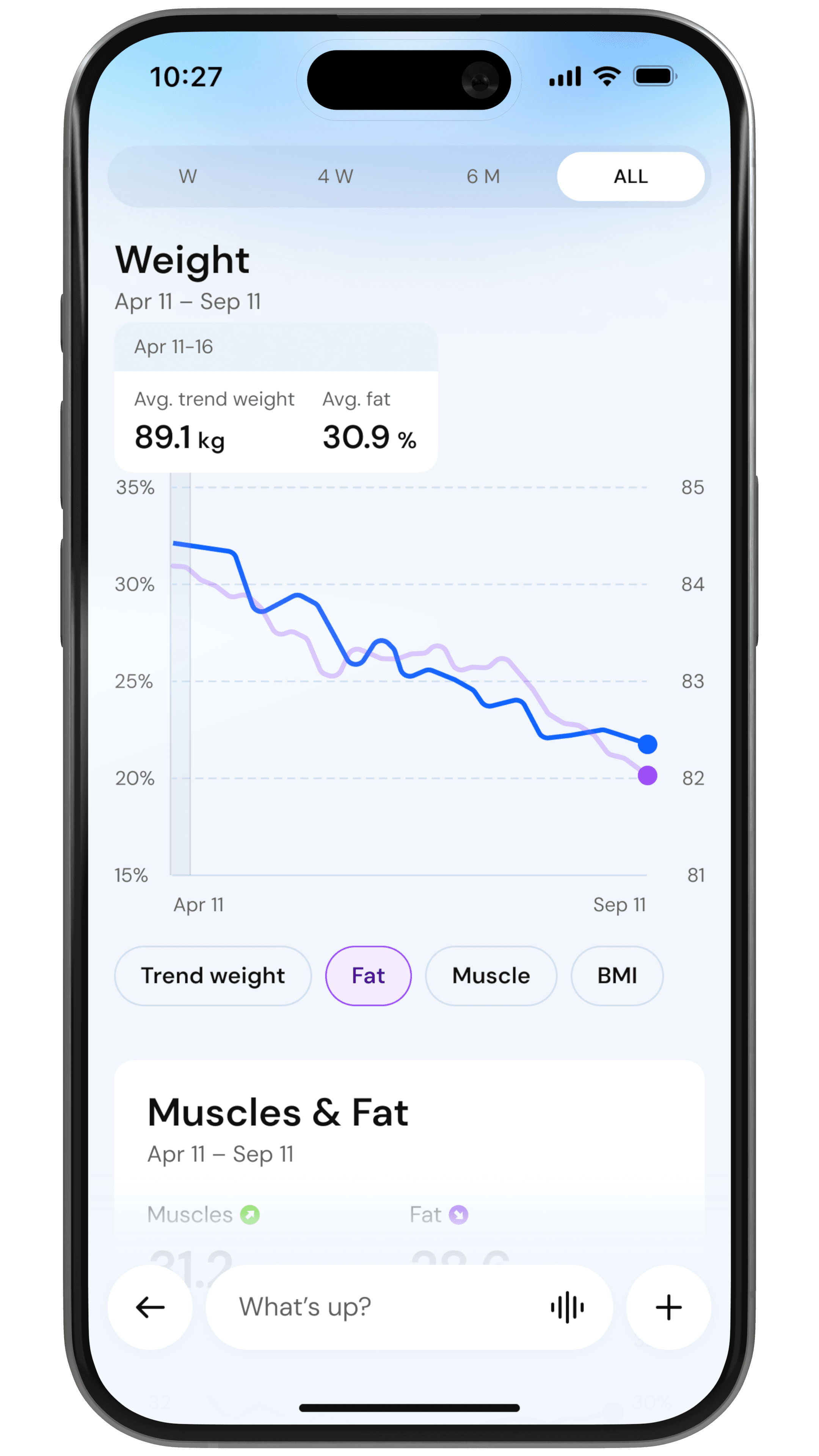
Unified AI-powered ecosystem, it seamlessly connects users, data, and medical insights to transform how people experience personal wellness.


Outcome 01
AI-oriented workflow
In recent projects, I’ve adopted an AI-oriented workflow to streamline design processes and accelerate iteration. From generating real-time prototypes to refining UX flows through AI-driven user insights, this approach has allowed for faster decision-making and more dynamic exploration.
Outcome 02
Custom AI-agents
As part of exploring AI-integrated product design, I’ve been working with custom AI agents tailored to specific user needs and workflows. These agents are designed to handle targeted tasks - like surfacing personalized insights, or automating repetitive actions.